
Our offerings:
Permaculture Courses
2027 Top of the South Permaculture Design Course
This course will meet one weekend monthly over 10-months for a deep-dive into Permaculture. Taught in an integrated and hands-on way, and hosted at a range of unique and exemplary teaching venues, you will gain the skills & knowledge to develop your own land-use design project. We culminate with a weekend of presentations of your work, and a well-earned community celebration where you will be awarded your Permaculture Design Certificate.
Click here to find out more.
-
Permaculture Foundations
Water in the Landscape
Soil Fertility & Crop Rotation Gardens
Urban Design & Suburban Garden polycultures
Rural ‘Lifestyle’ Property Design & Integrated Animal Systems
Permaculture Kaitiaki of Natural Ecosystems
Trees, Orchards, Food Forests
Ecological Building
Social Permaculture
Fully Integrated Design
Permaculture Teacher Training
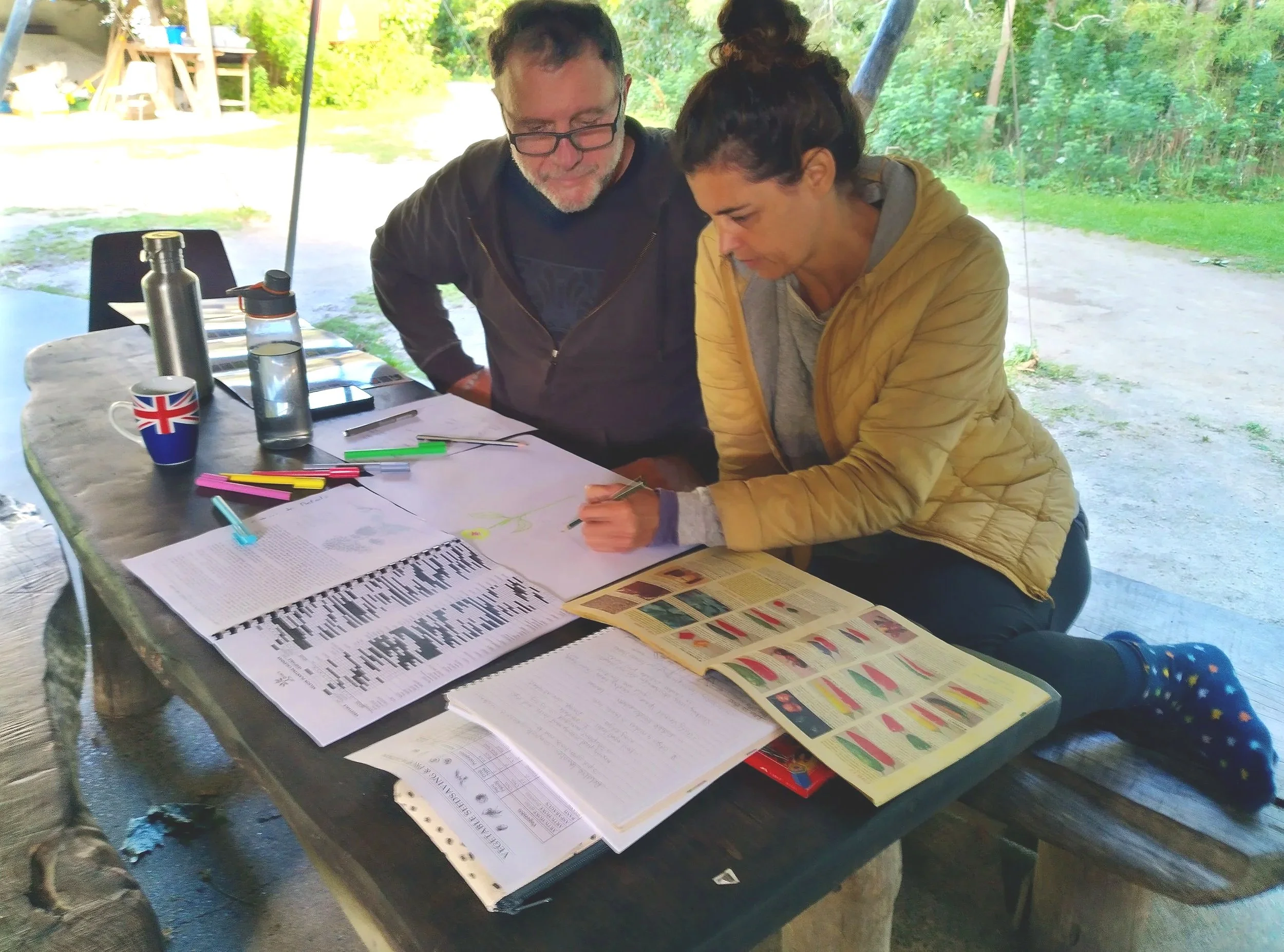
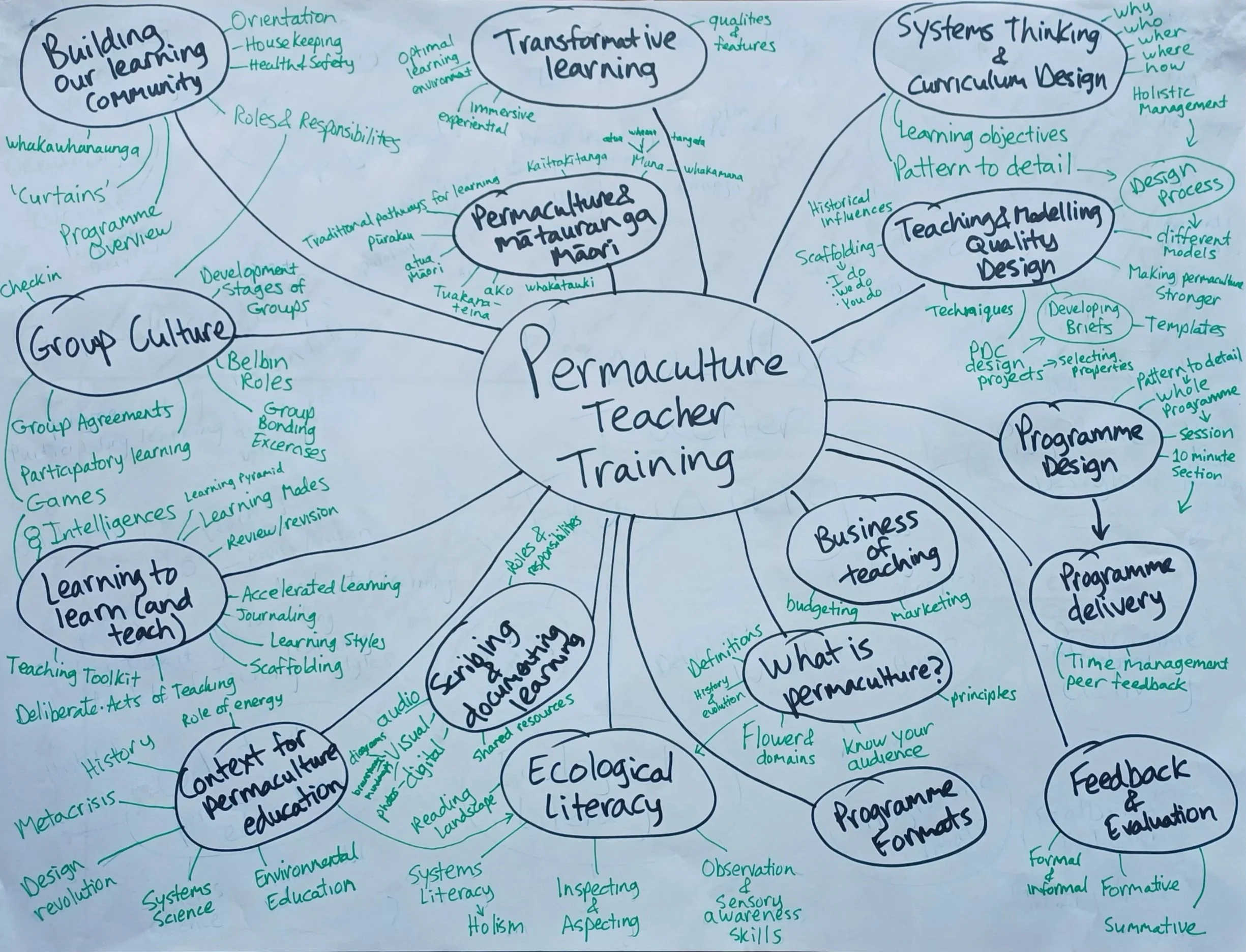
This 5 – 6 day practical professional development training, enables and empowers permaculture graduates to teach permaculture effectively for any ‘client group’. Embodying permaculture ethics and principles, this course focuses equally on quality of delivery, facilitation skills and deep content knowledge - whilst you discover and hone your unique teaching style. It builds confidence in facilitating dynamic and transformational learning experiences, creatively and effectively delivering content within a full PDC, purpose designed permaculture/sustainability workshops or short presentations.
Robina and Finn Mackesy (Aotearoa Permaculture Workshop) are passionate about teaching pedagogy, permaculture education and curriculum development. They have worked together on a range of projects for over a decade and provide complementary teaching and facilitation styles and approaches to permaculture education.
-
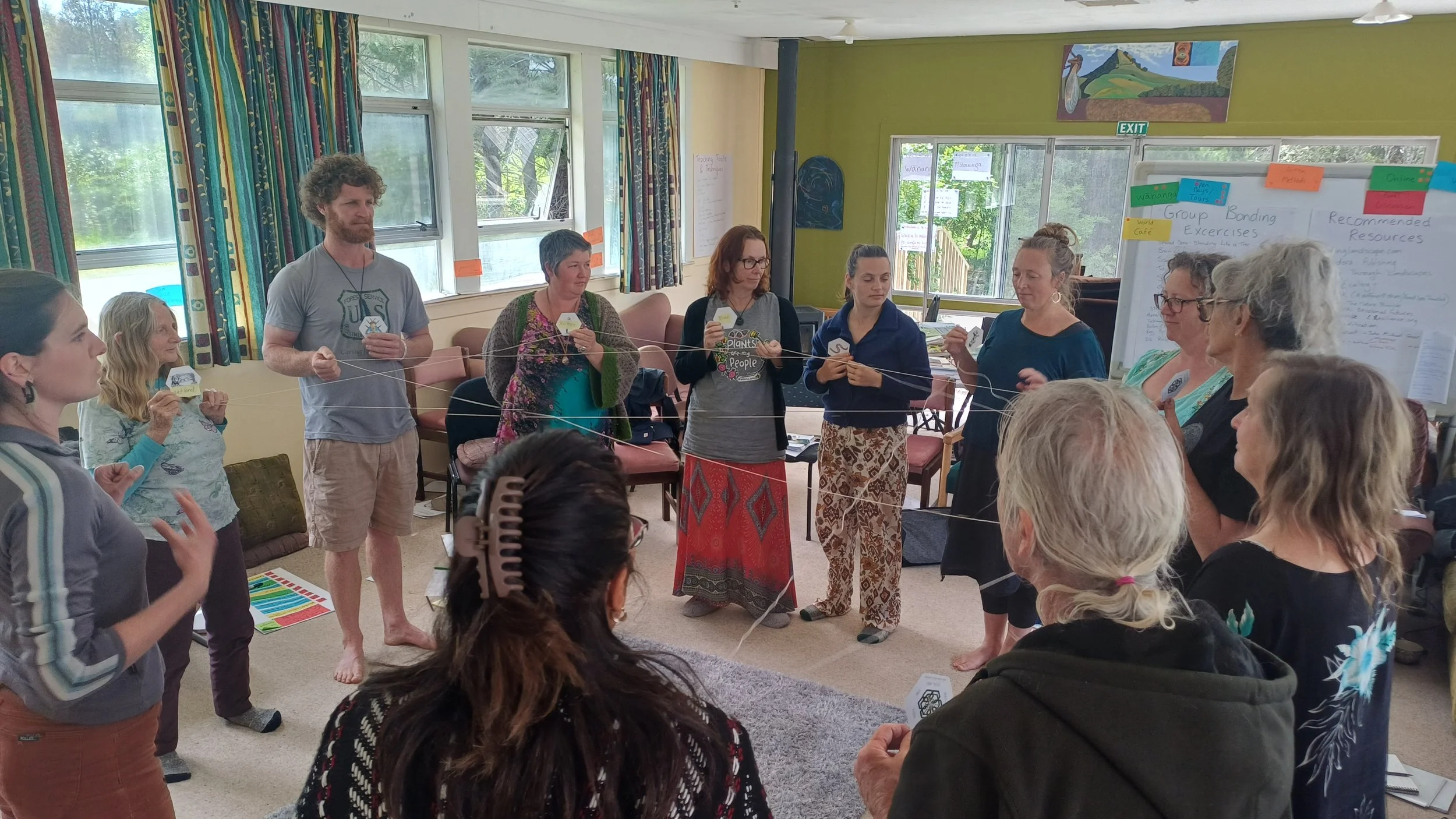
Building Learning Community
Effective Pedagogy
Patterns of Learning
Teaching for Information & Transformation
Goal Setting for Learning Outcomes
Curriculum Design
Scene Setting & Logistic Coordination
Working as a Teaching Team
Budgeting
Marketing
Programme Formats
Mentorship
Next Steps in your Teaching Journey
-
"This is more than Permaculture Teacher Training! It is adult education training which has reinforced many models and processes I have previously learned, working with adults by exploring the many ways people learn. I can highly recommend these tutors, their facilitation skills will enhance your journey and challenge your development to become great PC teachers. I especially liked the "curtains up/curtains down" approach to debrief the processes. Every WWOOFer and PDC student I work with benefits from my experience of this course and the resources received are top notch!
Clare Wimmer
"I gained a lot out of the course that I attended in 2016. Since then I have moved from being a shop manager into a business partner with 2 others to teach permaculture in Canterbury. It also created developments within other permaculture projects I'm involved. I thoroughly enjoyed the course, the skills and knowledge received from Robina & Finn's passionate teaching is enormous.
Lillee Star
Permaculture Design Consultancy
-
You might expect to be involved with the following process:
Client Meetup & Interview – interview includes:
Lifestyle Questions and Vision,
Biophysical and historical questions about the Property
Client provides maps and requested researched information
Site, Soils, Sectors, Microclimate Survey & Analysis,
Permaculture Recommendations, informed by the above,
Staged Implementation Plan,
Support Materials eg species lists, sample images, implementation guidelines.
Duration
This process is usually done in 2 or 3 visits of 2.5 – 3 hours each on site.
As these visits are educational as well as advisory, we prefer to use a Participatory Design approach, with the client/s present at every step.
Recording Information
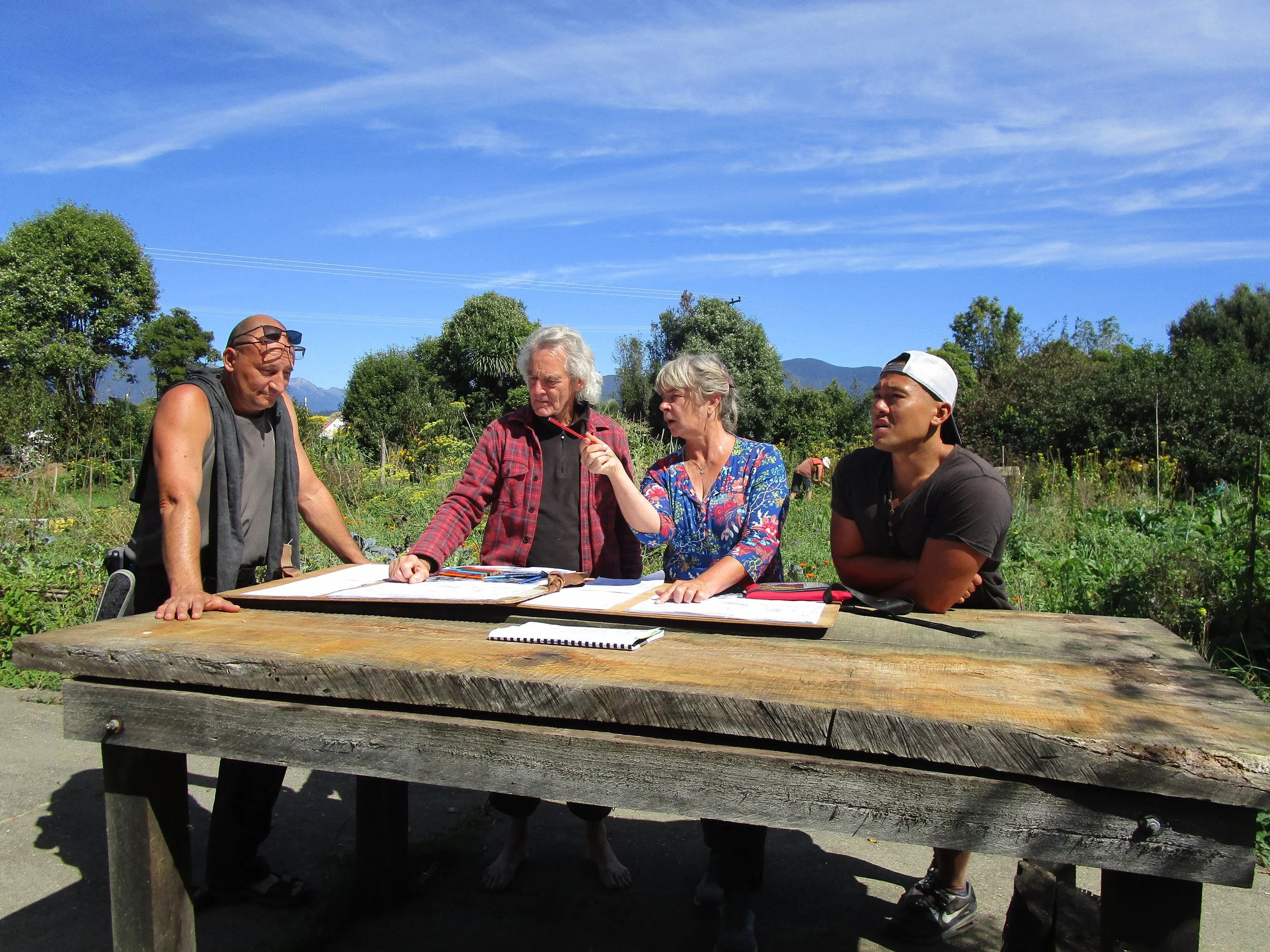
Usually we do not go away and draw up a to-scale permaculture plan to later hand to the client. Instead, as recommendations are given in a walk-around, we have an assistant (or the client themselves) write up notes and draw sketches, referenced to the base map. This kind of mapping commonly nicknamed a ‘Mudmap’. All maps and papers are taped onto a ‘Field Board’ which is held by the neck and fits at the waist. This board serves as a legless mobile table, anywhere. We also offer the client to do an audio recording of the walk-around session.
If the client wants a professionally drawn up permaculture design from this on-site kinesthetic design, we can arrange that also.
Tools and land-work Materials
The following typically accompany us on a walk-around, to mark out and enable easy adjustment of the design on the landscape, are:
Spade (for digging up soils to assess)
Long rope (for testing out and portraying shapes eg ponds, gardens)
Vivid coloured spray can (similar as for rope, plus marking out positions of trees)
‘Pigtails’/fencing standards (to identify positions eg of feature trees, entranceways)
Dowsing rod & pendulum (for checking energetic fields eg underground waterlines, power points, metals)
If the land is sloping, an A-Frame for marking contours, plus a bag of tallish stakes.
Workshops & Presentations
-
Hands on Seed Saving
Household Food Garden Design
Design your own Edible Landscape
Design your Neighbourhood Food Forest
Permaculture Design for Common Land
Creating Community Food Security
Strengthening Neighbourhood Food Resilience
Empowering Food Sovereignty
Food Sovereignty Facilitators Training
Social Permaculture
Igniting Community
Thriving in Community
Creating Landbased Communities & Ecovillges
Regenerating Community
Eldership in Community
Uplifting Community – a Facilitators Training
Empowering Life Direction
Facilitating Ceremonies & Rituals
Sacred Space Design
Permaculture in Schools
‘Permaculture in Schools’ Facilitator Training
-
Introduction to Permaculture
Introduction to Social Permaculture
Designing Social Structures
Designing Food Forests
Household & Community Food Systems
Empowering Local Food Resilience
Rekindling Community Food Culture
Strengthening Neighbourhood Food Resilience
Bioregional Food Sovereignty
An Ecovillage for these Times
Intentional Community Range (Global)
Intentional Communities & Ecovillages in NZ
Sustaining Intentional Community
The Basics of Sociocracy
Building our Earth House ‘Streamsong’
Earth-Spirit Nature Retreat
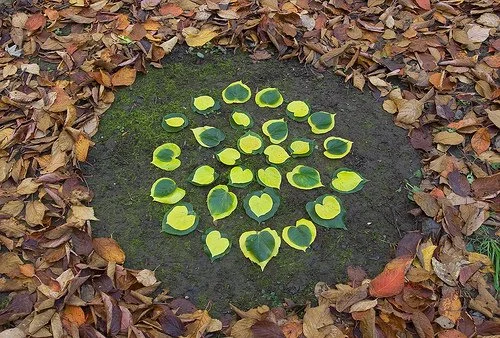
‘Earth-Spirit’ is a facilitated experience of immersion into the natural world, with the intention of deepening and empowering personal connection with the spirit of the land, in life sustaining way. This includes sharing practical skills to enable participants to enhance their personal wellbeing, be co-creators of sacred land spaces and effective agents of positive cultural change, guided by the underlying wisdom of Nature.
-
Typically this 3-day workshop-retreat is held at the Tui Treefield – a private outdoor events camp situated next to the Abel Tasman National Park, Golden Bay, on the land of the Tui Spiritual & Educational Trust.
-
Personal Healing & Wisdom
Eco-literacy - familiarisation with local ecology to ‘read the landscape’
Sensory awareness skills to listen to the needs and wisdom of the land
Attuning to nature’s cycles, rhythms and patterns
Creating a ‘personal seasonal calendar’ to adhere your lifestyle to nature
Wildcrafting (a) identifying, harvesting and eating from the wilderness
Wildcrafting (b) identifying, harvesting and making natural medicines
Relating to the earth as healer and empowerer
Sauna with sacredness
Cultural Healing & Wisdom
Rebuilding culture rooted in nature
Cultivating kaitiakitanga (stewardship/guardianship)
Working with nature as teacher and guide
Deep ecology intro – philosophy, experience, practical application
Ceremony / ritual to deepen with the 4 elements
Earth-art for creative expression and social activism
Environmental Healing & Wisdom
‘Decoding’ sacred geometry embedded in nature’s patterns
Identifying and working with earth-energy fields by dowsing and mapping
Permaculture design for nature’s restoration and nourishment
Creating and utilising Sacred Spaces within any landscape
Sacred Space Sessions
Design harmonic spaces for personal relaxation, balancing, tranquility, recharging, inspiration and aesthetic delight
Create restorative zones for nature to thrive
Observe the landscape, patterns and history of place
Connect and integrate separate land-space areas, generating energy flows which enable optimum function as a whole entity.
-
John Massey
John is a master gardener, beekeeper, seed saver, ‘kitchen pharmacist’ and professional herbalist, with an extensive and global knowledge of edible weeds and plant uses. His formal studies in this field were with Rosemary Gladstar’s School of Herbal Studies, in USA. During his 18 years of working at both the Golden Bay and Waimarama Community Gardens (Nelson), John facilitated regular courses in nature observation and attunement, guiding participants into the mysteries of the plant world, plus their practical application. John is also a therapeutic masseur, yoga teacher and a teacher-trainer with the NZ Yoga Association.
Richard Self
Richard grew up on a nursery, and since childhood has been an avid gardener, aware of plant spirits and Earth energies. After obtaining his Bachelor of Forestry Science degree, he worked as a teacher for in Taranaki for 20 years, and nowdays works as a science/horticulture teacher in Wellington. He has also run a permaculture-style market garden permaculture garden, selling a range of produce. He is passionate about sustainable land use, including exploring the social, political and spiritual structures that support it. Through his study in Druidry over the past 9 years, and his role as Grovemaster on ‘The Woolshed’ land on Kapiti Coast, Richard has developed an in-depth knowledge of the spiritual and practical qualities of trees, especially their particular qualities in the creation of sacred space.
Robina McCurdy
For Robina’s bio, see her Earthcare Trustee & Permaculture bio on this website.